
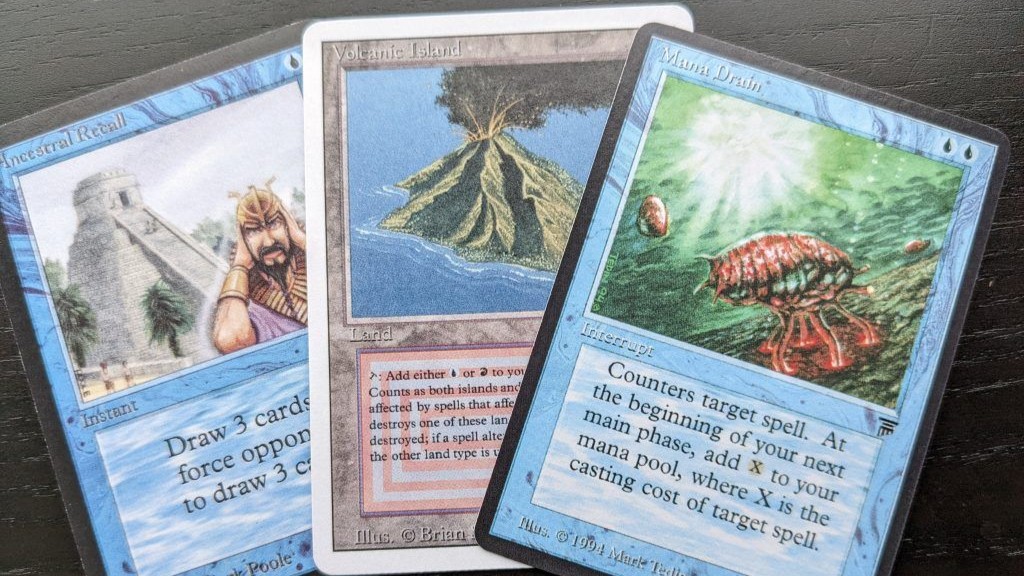
ProxyMTG print-on-demand model overview
Print-on-demand sounds like a buzzword until you realize it is basically the whole point. The ProxyMTG print-on-demand model means your cards do not sit in a pre-printed pile waiting to be shipped. They get printed because you ordered them. That one detail changes how turnaround works, what customization is possible, and why tracking sometimes looks “stuck” even when nothing is wrong.
This is a practical overview of what ProxyMTG’s print-on-demand approach actually means, what it’s good at, and what you should expect when you place an order.
What “print-on-demand” means at ProxyMTG
In a traditional storefront model, a company prints inventory in advance, stores it, then ships from a shelf. That can work well, but it forces the business to guess what people will want, and it limits how flexible each order can be.
ProxyMTG is moving to a print-on-demand workflow instead. In plain English:
You place an order.
They print that order.
Then it ships.
ProxyMTG describes this as “printed after you place it,” not pulled from pre-printed inventory. That is the clearest definition you can ask for. It also explains why an order can be “in production” for a bit before it ever enters the carrier system.
Why the print-on-demand model matters for MTG proxy cards
Print-on-demand is not automatically “better.” It is just a different tradeoff. For MTG proxy cards, the tradeoff tends to work in your favor because proxies are a weird product category.
People want:
Consistent cards that sleeve and shuffle normally
Clean text and readable symbols
Flexibility for custom backs, alt-art, or theme builds
A process that does not turn into a three-week design hobby
A print-on-demand model fits that reality because it is built around making the specific set you asked for, not selling down a batch that was printed months ago.
ProxyMTG also connects print-on-demand directly to customization: custom backs, custom art, and other personalization options are easier to offer when the job is printed to order.
The part most people miss: production time vs transit time
If you only remember one thing, remember this:
Delivery time is production time plus transit time.
Print-on-demand introduces a real production step before shipping. That does not mean “slow.” It just means you cannot judge your order purely by the shipping speed of USPS or whatever carrier is used.
ProxyMTG’s stated baseline expectations look roughly like this for many U.S. orders:
Production: around 2 business days in typical periods
Transit: around 3 to 7 business days after shipment
Total: often around 5 to 9 business days
That range will widen in the predictable moments: large orders, heavy customization, peak-volume spikes, holiday mail delays, or any week where everyone decides to build the same new Commander deck at once.
Tracking confusion and the “Label Created” trap
Print-on-demand tends to trigger the same anxiety loop:
You get a tracking number.
The tracking page says “Label Created” or “Pre-Shipment.”
Nothing moves.
You assume something is broken.
ProxyMTG explicitly calls out what is happening here. A label can exist before the carrier scans the package. Sometimes the first scan appears 24 to 48 hours after the label is created. Sometimes the first scan is missed and the next scan appears later at a regional facility. That can look like “no movement” even when the package is already in the system.
Another wrinkle: smaller orders may ship untracked in a plain white envelope, which means you will not get satisfying scan updates because there are not any to show. In those cases, the realistic signal is the delivery window, not the tracking page.
This is not unique to ProxyMTG. It is a normal side effect of how carriers and labels work. Print-on-demand just makes people notice it more because there is an extra production stage before shipping.
Quality control still exists in print-on-demand
Some people hear “printed to order” and assume it means “anything goes.” ProxyMTG makes the opposite claim: print-on-demand does not remove quality checks, it just changes when the work happens.
They describe a basic QC approach that focuses on the failure points proxy players actually care about:
Clarity, especially text readability
Front/back alignment within normal tolerances
Cut consistency across the set
Obvious print defects like streaks or missing elements
Count accuracy, meaning you get what you ordered
They also set expectations on what not to expect: no promises of perfect matching to authentic cards across every print run, and no “indistinguishable” claims. That stance matters because it frames quality as “clean, playable, consistent in sleeves,” not “let’s pretend this is something it isn’t.”
Customization is the benefit, but it comes with guardrails
Customization is where print-on-demand earns its keep. ProxyMTG specifically highlights customization as part of the model, including custom backs and custom art.
They also publish rules that draw a bright line between personalization and deception. The core idea is simple: customization cannot be used to misrepresent a proxy as an authentic MTG card.
If you want a responsible proxy setup, custom backs are the obvious move. ProxyMTG explicitly recommends them because they reduce confusion and keep the intent clear. They also describe what they reject, including attempts to mimic security elements, remove proxy indicators to “pass” as real, or requests framed as “undetectable” or “tournament” use.
Whether you agree with every detail or not, those rules tell you what ProxyMTG is optimizing for: casual and playtesting utility, not counterfeit vibes.
Returns and refunds look different when items are printed to order
Print-on-demand also changes the returns conversation. If a product is made specifically for your order, it is not usually returnable just because you changed your mind.
ProxyMTG says this directly: preference-based returns are generally not the point of a print-to-order system. But if something arrives damaged, incorrect, missing, or has a qualifying defect, they describe a process for making it right. They also list claim windows and the kind of info they need (photos, order number, and a clear description).
That is the fair version of print-on-demand returns:
No, you cannot treat it like a try-before-you-buy catalog.
Yes, they still need to fix real mistakes and shipping damage.
Who this model is best for
The ProxyMTG print-on-demand model makes the most sense if you are in one of these groups:
You want proxies that are readable and consistent in sleeves
You care more about “plays cleanly” than “matches an authentic print run perfectly”
You want custom backs or themed builds without building your own print pipeline
You prefer clear expectations on timelines and tracking behavior
If you want instant gratification, print-on-demand will always feel like “one extra step,” because it is. But if you want a predictable process and the flexibility to customize, it is the right structure.
Bottom line
ProxyMTG’s print-on-demand approach is not complicated, it is just honest about the workflow. Your order is printed after you place it, then it ships. That enables customization and reduces the need for pre-printed inventory. It also means you should judge turnaround by two separate clocks: production and transit.
If you go in expecting that, the experience tends to be smooth. If you go in expecting Amazon-style tracking dopamine from minute one, you are going to stare at “Label Created” and spiral for no reason.
That is the whole story of the ProxyMTG print-on-demand model.