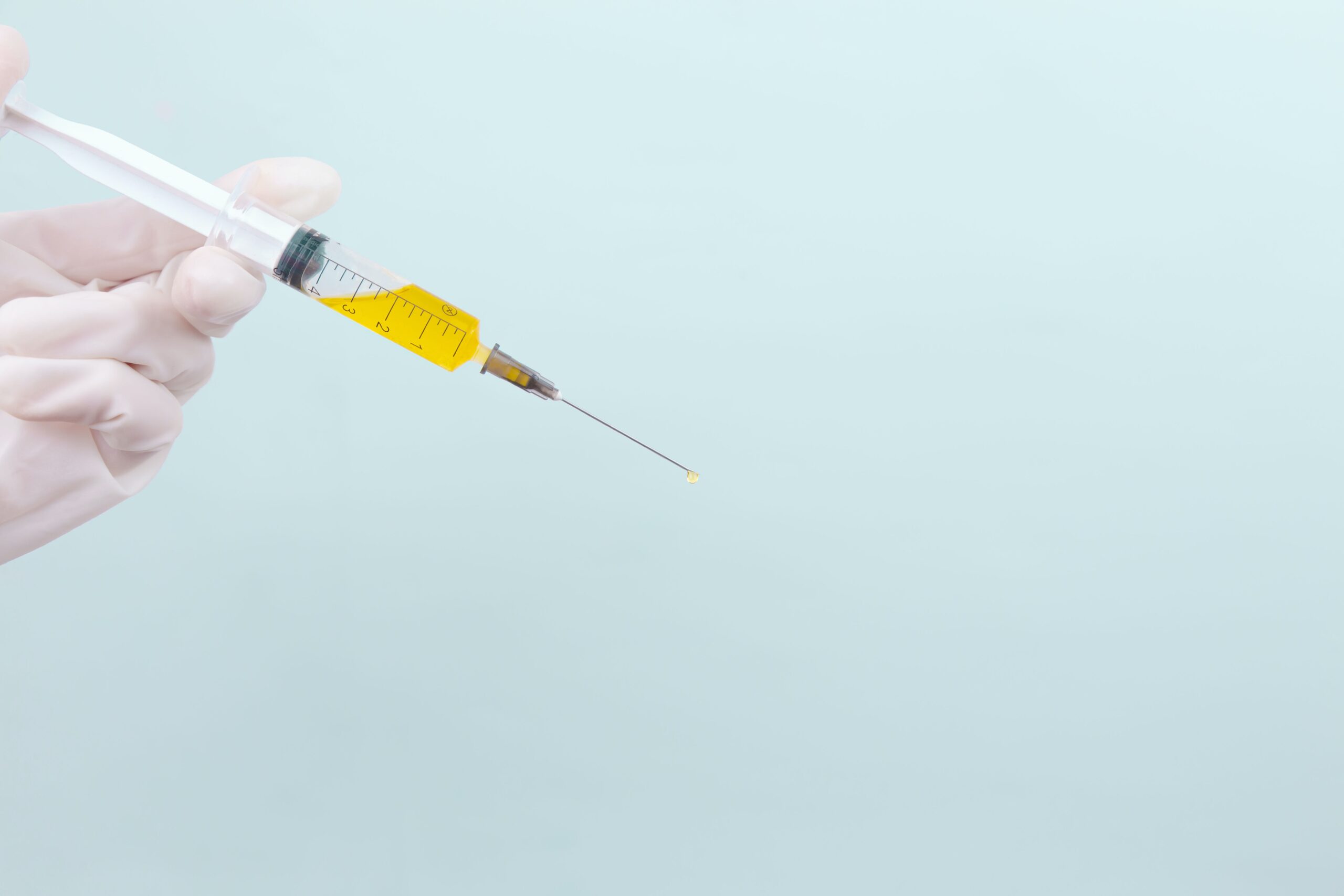
Morton’s neuroma, a common source of forefoot pain, has been a medical concern since the mid-19th century. In this study, we explore the effectiveness of sonographically guided alcohol injections for the treatment of Morton’s neuroma, comparing its success rates and tolerability with traditional surgical approaches.
Subjects and Methods
A prospective series included 101 consecutive patients with Morton’s neuroma who underwent an average of 4.1 sonographically guided alcohol injections. Follow-up images were obtained approximately 21.1 months post-treatment. The study aimed to assess technical success, symptom improvement, and safety.
Results
The study demonstrated a 100% technical success rate, with 94% of patients reporting partial or total symptom improvement. Remarkably, 84% of patients became entirely pain-free. Median visual pain scores decreased significantly from 8 before treatment to 0 after treatment (p < 0.001). Transient local pain occurred in 16.8% of cases, with no major complications. Follow-up sonography at 6 months revealed a 30% reduction in neuroma size for 30 patients.
Conclusion
Alcohol injection for Morton’s neuroma exhibited a high success rate and good tolerance. Results were comparable to surgery but with less morbidity. Surgical management could be reserved for nonresponders. Sonography proved crucial for accurate injection placement and minimizing complications, highlighting the promising role of alcohol injection in managing Morton’s neuroma.
Discussion
Morton’s neuroma, characterized by perineural fibrosis and compression of the common interdigital nerve, poses a significant challenge. Diagnosis through sonography, with its 95–98% accuracy, provided a reliable foundation for this study. Alcohol injection, using a 20% solution, demonstrated efficacy, with evolving intraneural fibrosis observed during the treatment course. The study emphasizes the importance of real-time sonographic control for accurate delivery and monitoring of the injection.
Subjects and Methods
The study enrolled 101 patients, excluding those with multiple lesions or other foot conditions. Sonography was the primary diagnostic tool, with alcohol injections performed under sonographic guidance. A 20% alcohol solution was injected at 14-day intervals, with a minimum of four injections recommended for symptom alleviation.
Results
Out of 101 patients, all achieved technical success, and 16.8% experienced transient plantar pain. Median preprocedure VAS scores significantly decreased from 8 to 0 postprocedure. A subset of 41 patients underwent follow-up sonography, showing a 30% reduction in neuroma size. Surgery was performed on three patients with persistent forefoot pain post-injection.
Conclusion
Alcohol injection for Morton’s neuroma demonstrated a high success rate, offering a less morbid alternative to surgery. Real-time sonographic control played a crucial role in minimizing complications and ensuring accurate injection placement. The study supports alcohol injection as a viable treatment option for Morton’s neuroma, with surgery reserved for nonresponders.